

Petroleum Refining
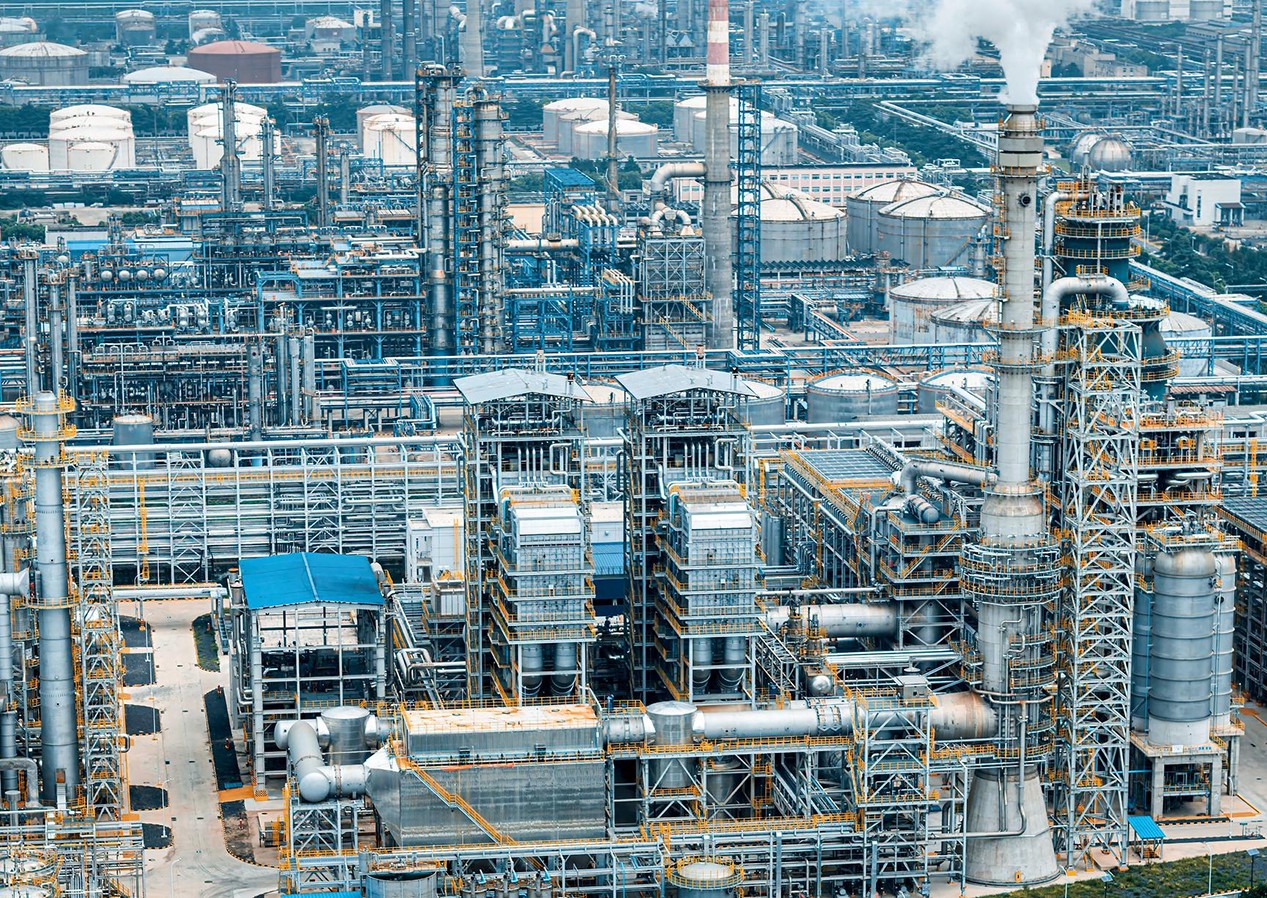
Detailed Explanation of KDP Plate Heat Exchangers in Petroleum Refining: Applications and Process Flow
Petroleum refining processes are characterized by high temperature, high pressure, and complex process media, which place extremely high demands on heat exchange equipment in terms of thermal efficiency, reliability, corrosion resistance, and compact footprint.
With outstanding advantages including high heat transfer efficiency, compact structure, and strong adaptability, plate heat exchangers have become core equipment for energy saving and efficiency improvement in oil refineries, and are widely used as a reliable alternative to traditional shell-and-tube heat exchangers.
Overview of Refinery Heat Exchanger Processes
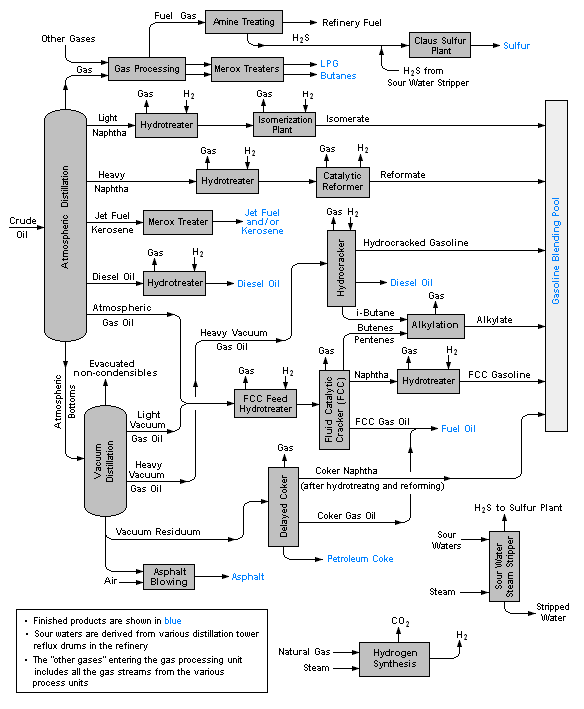
Heat exchange is widely applied throughout the full refining process, including crude oil pretreatment, atmospheric and vacuum distillation, catalytic cracking, hydrotreating / hydrocracking, reforming, aromatics production, sulfur recovery, and circulating water & waste heat recovery systems.
Core process requirements for refinery heat transfer equipment:
- High temperature, high pressure, flammable and explosive fluids
- Strong corrosion, fouling tendency, and high viscosity
- Maximize waste heat recovery and reduce energy consumption
- Safe operation, long service life, and easy maintenance
With high heat transfer coefficient, compact footprint, low thermal inertia, and flexible flow path design, plate heat exchangers are ideally suited for the harsh operating conditions in modern oil refineries.
Four Types of Plate Heat Exchangers & Their Refinery Applications
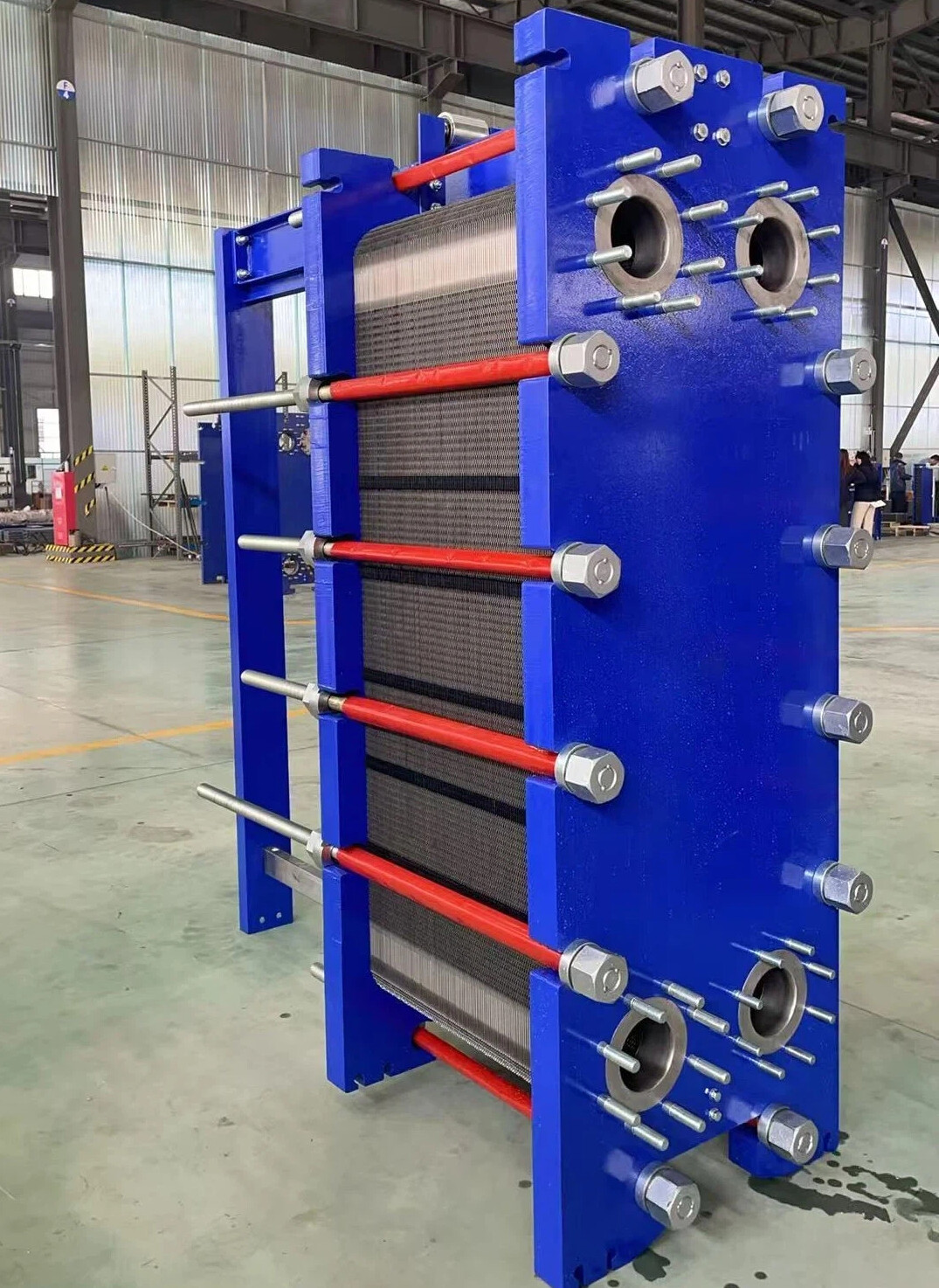
Gasketed Plate Heat Exchanger (Gasketed PHE)
Structural Features
- Gasket-sealed, detachable for easy cleaning and maintenance
- High heat transfer efficiency, strong turbulence, good anti-fouling performance
- Suitable for medium temperature, medium pressure, clean or moderately fouling fluids
Typical Applications in Oil Refineries
- Circulating water cooling / heating
- Heat exchange for light oil, diesel oil, kerosene
- Auxiliary systems: heat transfer oil, lubricating oil cooling
- Utility systems: steam condensation, hot water heat exchange
Suitable for mild conditions requiring frequent cleaning, with non corrosive and non high pressure media.
Semi-welded Plate Heat Exchanger (Semi-welded PHE)
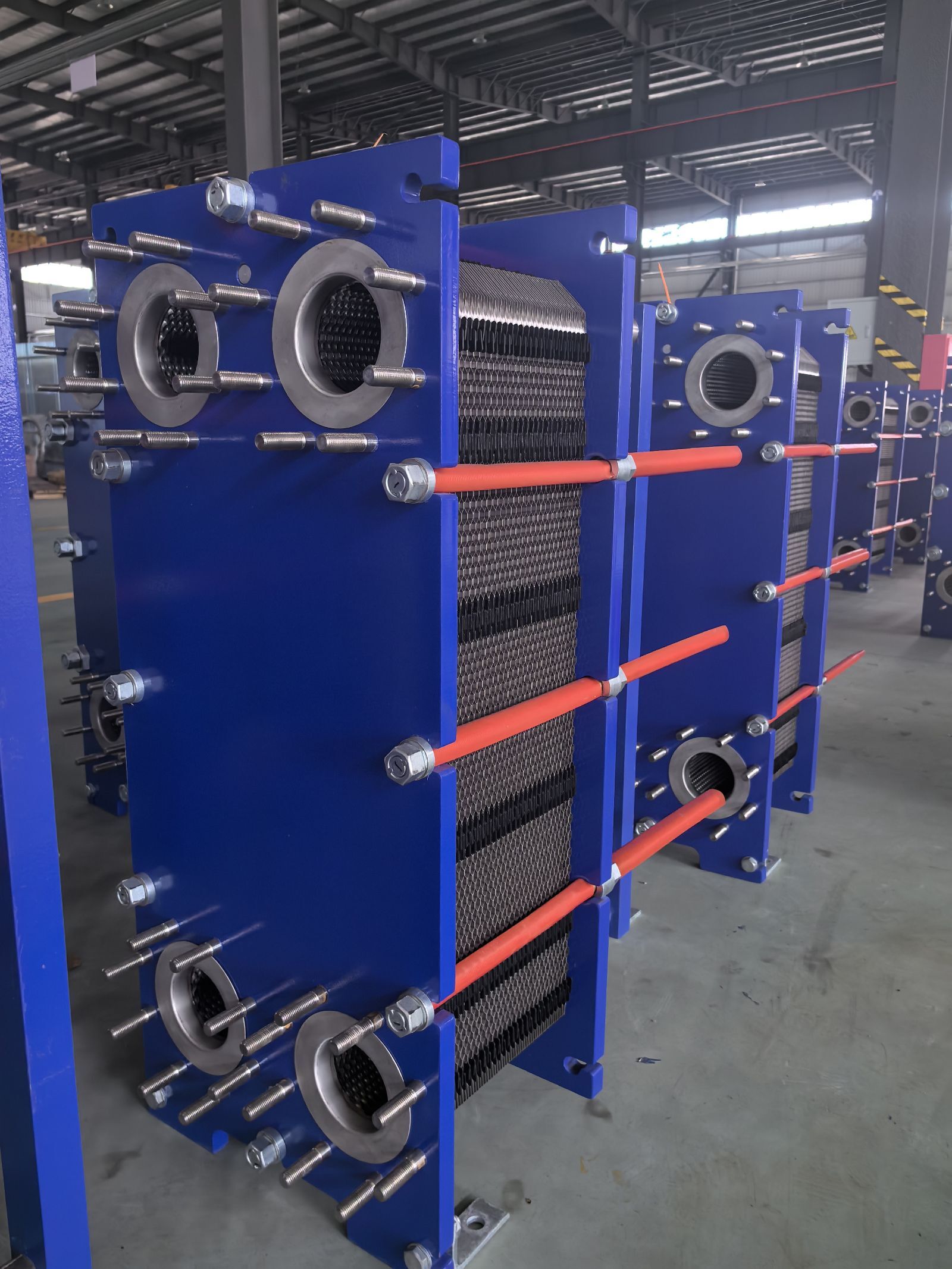
Structural Features
- One side welded channels (high pressure resistance, corrosion resistance, leak proof)
- One side gasketed channels (detachable, easy maintenance)
- Balances safety and maintainability, an optimal hybrid solution
Typical Applications in Oil Refineries
- Condensation and evaporation of refrigerants / process gases (R507, ammonia, etc.)
- Corrosive media on welded side, cooling water on gasketed side
- Reboilers, condensers, intermediate heat transfer systems
- Heat exchange in vapor recovery, desulfurization and decarbonization systems
Advantage: Toxic, flammable, high pressure media flow through the welded side for safe, leak tight operation; the other side is detachable and cleanable, reducing downtime.
Fully-welded Plate Heat Exchanger (Fully-welded PHE)
Structural Features
- Internal plate heat transfer + external shell pressure resistance
- Combines high efficiency of plate type with pressure resistance of shell and tube type
- Ideal for ultra high temperature, ultra high pressure, large flow rate and severe conditions
Top-Tier Applications in Oil Refineries
- High pressure heat exchange in hydrocracking / hydrotreating units
- High temperature and high pressure heat exchange in reforming units
- Heat exchange for residual oil, heavy oil and high viscosity media
- High pressure steam generators, high temperature quench heat transfer
Advantage: Withstands extreme pressure and temperature while maintaining high plate type efficiency; the preferred choice for the most demanding applications.
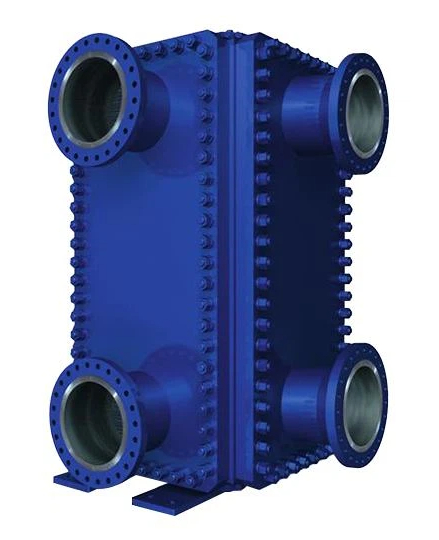
Plate-shell Heat Exchanger (Plate-shell HE)
Structural Features
- Gasket-sealed, detachable for easy cleaning and maintenance
- High heat transfer efficiency, strong turbulence, good anti-fouling performance
- Suitable for medium temperature, medium pressure, clean or moderately fouling fluids
Typical Applications in Oil Refineries
- Circulating water cooling / heating
- Heat exchange for light oil, diesel oil, kerosene
- Auxiliary systems: heat transfer oil, lubricating oil cooling
- Utility systems: steam condensation, hot water heat exchange
Suitable for mild conditions requiring frequent cleaning, with non corrosive and non high pressure media.
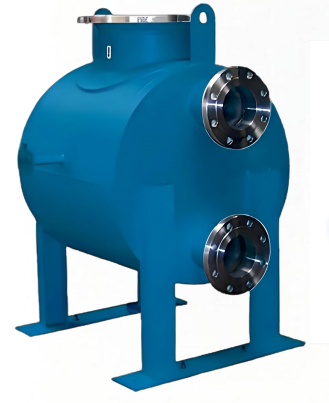
Typical Refinery Process Flows & Equipment Matching
Crude Oil Pretreatment & Atmospheric & Vacuum Distillation
- Crude oil dehydration, desalination, preheating
- Cascaded heat utilization in heat exchanger networks
- Recommendation: Fully welded > Plate shell
Fluid Catalytic Cracking (FCC)
- Slurry oil cooling, regenerated flue gas waste heat recovery
- Fractionator overhead condensation
- Recommendation: Fully welded plate heat exchanger
Hydrotreating / Hydrocracking
- High temperature and high pressure heat exchange between reaction feed and product
- High temperature, high pressure, hydrogen containing service
- Recommendation: Plate shell > Fully welded
Overhead Condensation, Reboiling & Waste Heat Recovery
- Unit heat recovery, fuel consumption reduction
- Recommendation: Semi welded / Fully welded / Gasketed
Circulating Water & Utility Systems
- Cooling, heating, condensation
- Recommendation: Gasketed plate heat exchanger
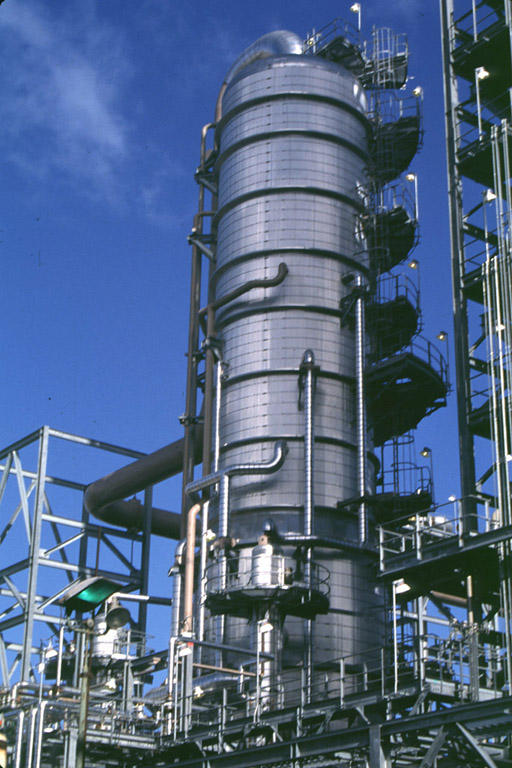
Quick Selection Guide
- Mild media, frequent cleaning → Gasketed PHE
- One side corrosive / high pressure, one side normal → Semi welded PHE
- High temperature, high pressure, flammable, explosive, long service → Fully welded PHE
- Ultra-high pressure, large flow, extreme conditions → Plate shell HE
Our Advantages
- Specialized in R&D and manufacturing of plate heat exchangers for full operating conditions in petroleum refining
- Provide complete product range: gasketed, semi welded, fully welded, plate shell
- Custom materials: titanium, duplex stainless steel, Hastelloy, nickel base alloys and other special alloys
- Custom flow path design: Dx flow, 4 pass / multi pass, 1/3, 2/2, 3/1 according to refinery processes
- 15% extra heat transfer area reserved to ensure stable long term operation
- Full life cycle services: process calculation, solution design, on site installation guidance
Conclusion
High-efficiency, reliable and energy saving heat exchange equipment is critical for the safe and stable operation of oil refineries.With professional plate heat transfer technology, we provide customized heat exchange solutions for the petroleum refining industry, helping clients reduce energy consumption, improve product yield and extend equipment service life.
King DuPont, China famous brand of heat transfer and fluid handling supply platform.
Contact




Get Free Quotes
NEED TO CHAT?
We will get back to you within 24 hours of receiving the message.