

CCUS Technology, Its Application in Petroleum Refineries and Plate Heat Exchangers’ Role in CCUS
What is CCUS?
CCUS (Carbon Capture, Utilization and Storage) is a core technology for large-scale carbon reduction in industrial and energy sectors. It involves separating and purifying CO₂ emitted from industrial processes and energy systems, then either reusing it as a valuable resource or permanently storing it underground to achieve significant carbon emission reductions.
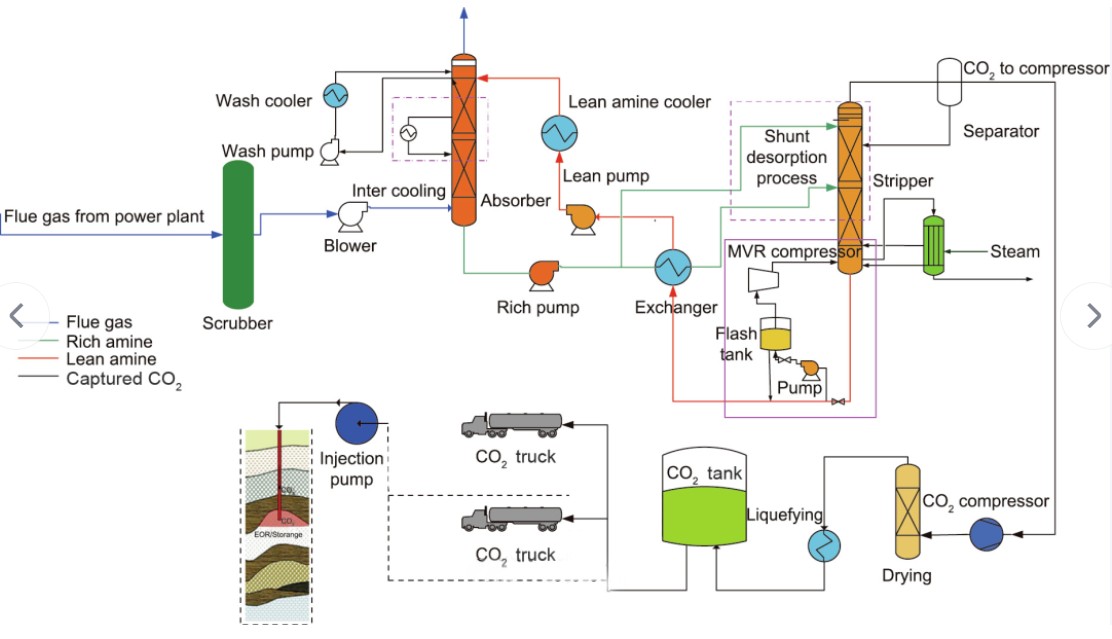
- Capture: Separates CO₂ from flue gas and process gas using proven technologies such as chemical absorption, physical adsorption, and membrane separation.
- Transport: Transports purified CO₂ via pipelines, tank trucks, or ships, typically in supercritical or liquid state for efficient and safe delivery.
- Utilization: Converts CO₂ into usable resources through applications like CO₂ enhanced oil recovery (EOR), chemical synthesis, food processing, and gas displacement.
- Storage: Permanently sequesters CO₂ by injecting it into underground formations such as saline aquifers and depleted oil and gas reservoirs, ensuring long-term carbon sequestration.
Application of CCUS in Petroleum Refineries
Petroleum refineries are major carbon emission sources, with emissions primarily coming from hydrogen production units, catalytic cracking processes, and heating furnaces. CCUS technology has emerged as a critical pathway for refineries to achieve deep decarbonization while maintaining operational efficiency.
Refinery Carbon Sources & Capture Technologies (Summary)
In petroleum refineries, CO₂ emissions mainly come from hydrogen production units, catalytic cracking regeneration gas, and industrial furnace flue gas.
To capture these emissions, several technologies are commonly used:
- Chemical absorption (amine method) – widely used for low-concentration flue gas, with capture efficiency exceeding 90%.
- VPSA adsorption – suitable for medium- to high-concentration CO₂ streams, achieving CO₂ purity above 99.5%.
- Membrane separation – typically used for CO₂ pre-treatment and concentration to improve capture efficiency.
Large-scale projects such as Liaohe Petrochemical (100,000 tpy) and Huabei Petrochemical (200,000 tpy) demonstrate the successful implementation of CCUS technology in refineries.
Transportation and Utilization (EOR – Core Application)
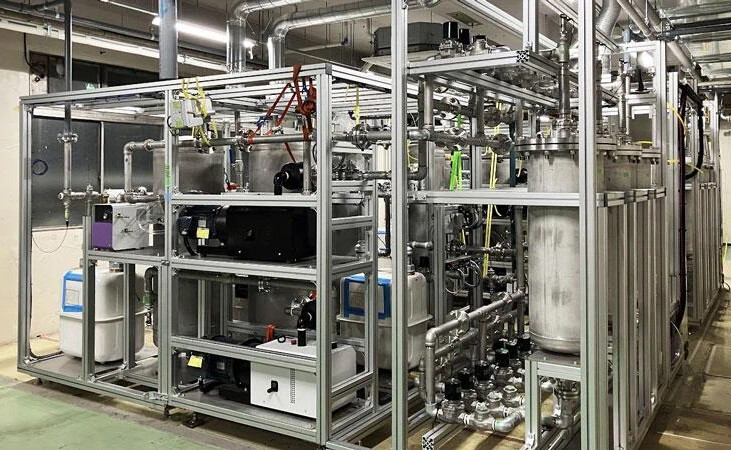
Captured CO₂ is injected into oil reservoirs to reduce crude viscosity and improve flow, increasing oil recovery by 10–20% while enabling CO₂ storage.
CO₂ is captured at refineries, transported, and injected into oilfields for enhanced oil recovery and long-term storage, as demonstrated by the Qilu Petrochemical–Shengli Oilfield CCUS project.
Storage and Other Utilization Methods
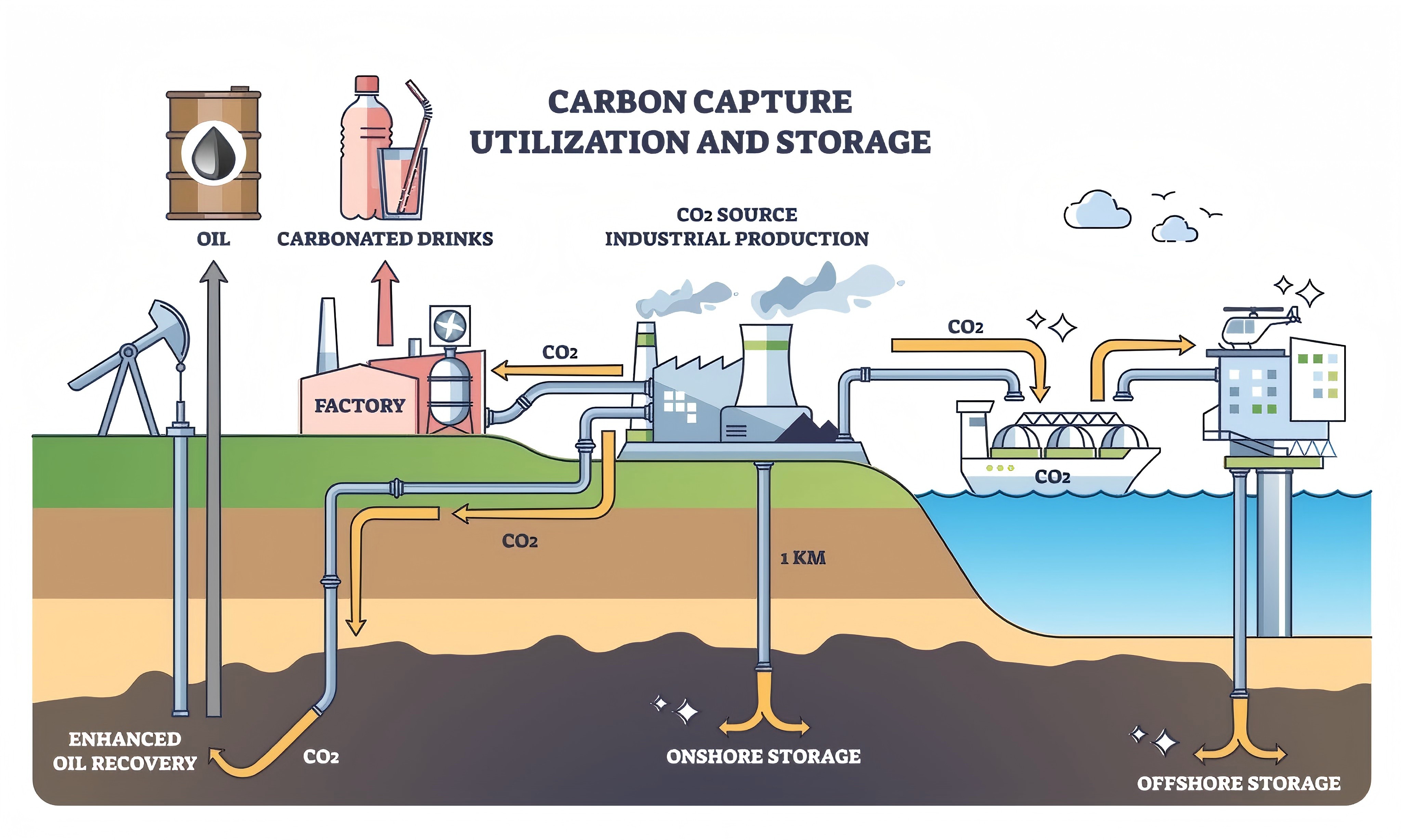
Depleted oil and gas reservoirs and underground saline aquifers are the most reliable and large-capacity options for permanent CO₂ storage, ensuring safe and long-term sequestration.
Captured CO₂ can also be used to produce food-grade CO₂, serve as a raw material for chemical synthesis (e.g., methanol and urea production), and support additional gas injection projects to enhance oil recovery.
Application of Plate Heat Exchangers in CCUS Processes
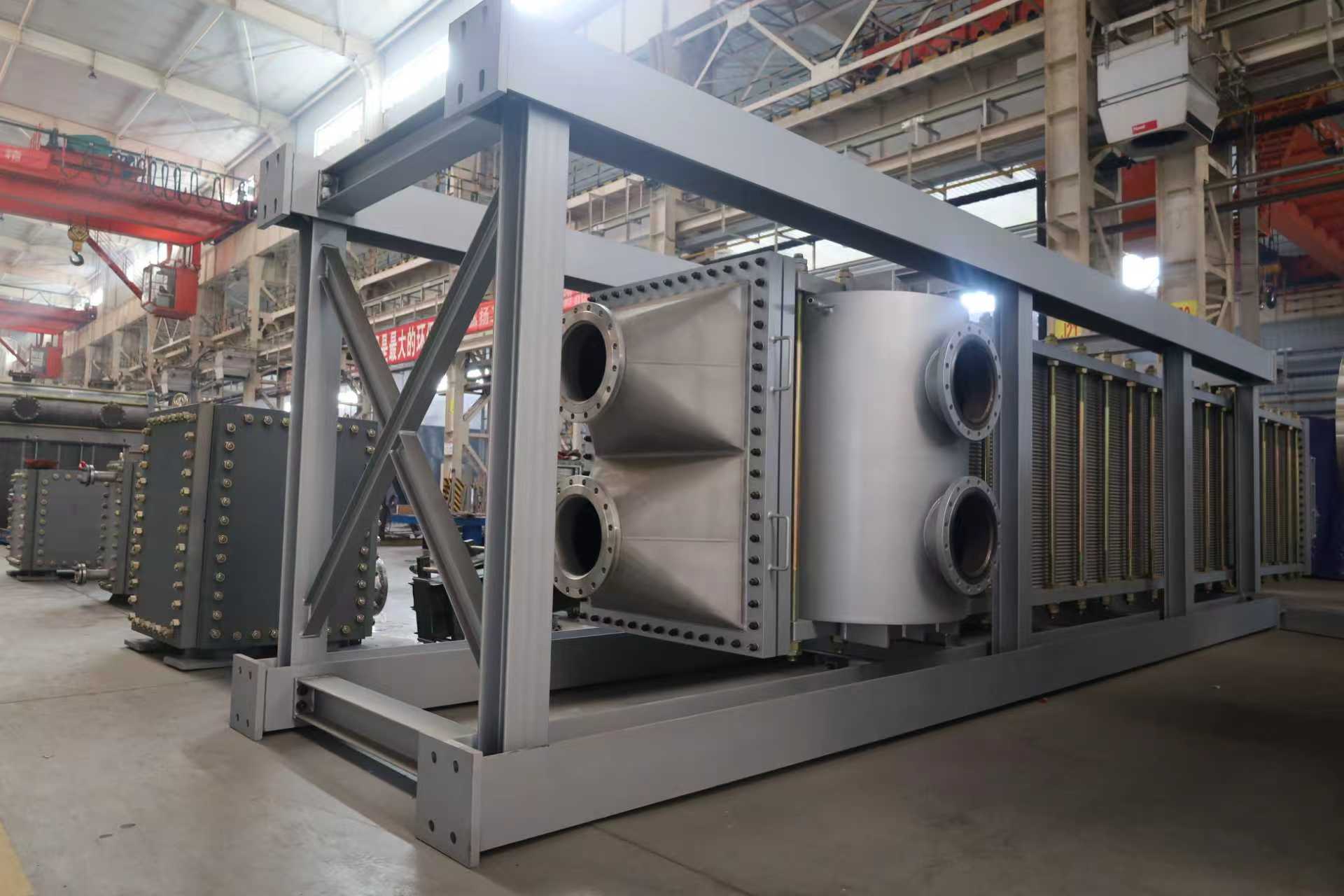
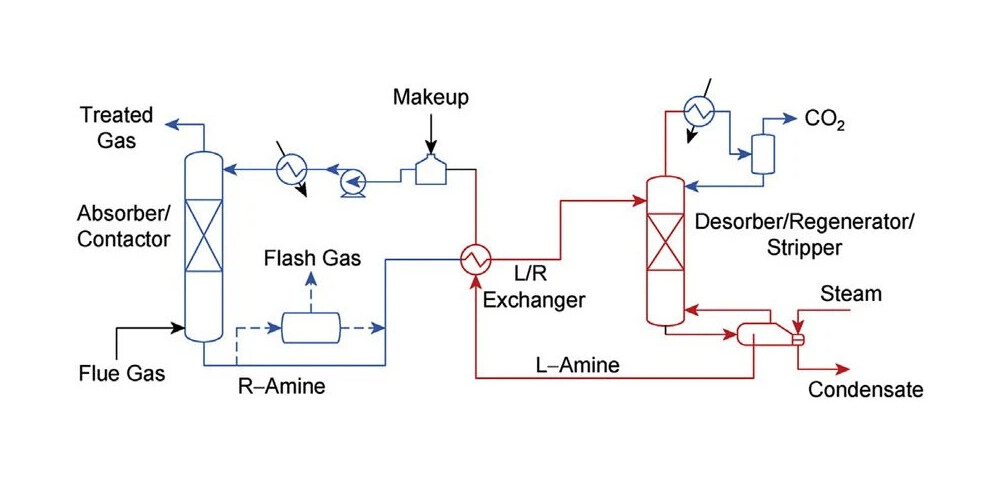
Plate heat exchangers are essential equipment in CCUS systems, particularly in amine-based CO₂ capture processes, due to their high heat transfer efficiency, compact design, and energy-saving capabilities. They play a critical role in optimizing CCUS operational efficiency and reducing energy consumption.
Refinery Carbon Sources & Capture Technologies (Summary)
- Lean–Rich Amine Heat Exchanger:
Recovers heat between rich and lean amine streams, improving efficiency and saving 30%+ energy compared to shell-and-tube exchangers.
- Lean Amine Cooler:
Cools lean amine before entering the absorber to improve CO₂ absorption.
Regeneration Gas Cooling:
Cools and condenses CO₂-rich gas for compression and transport.
Solvent Reboiler:
Fully welded plate heat exchangers can reduce energy consumption by up to 40%.
Applications in CO₂ Compression and Liquefaction
- Intercoolers for Multi-Stage Compression:
Reduces the power consumption of CO₂ compression systems and stabilizes operational conditions by cooling the CO₂ between compression stages.
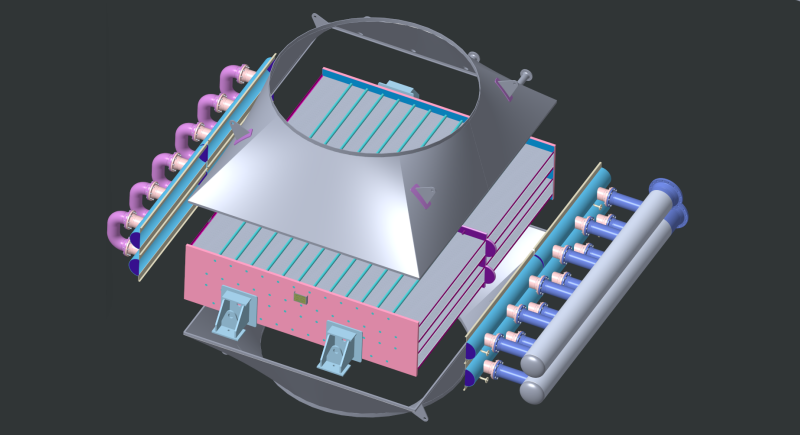
- CO₂ Pre-Cooling, Liquefaction, and Sub-Cooling:
Essential for cryogenic liquefaction of CO₂ (to temperatures below -20°C). Plate heat exchangers are more compact and efficient than shell-and-tube heat exchangers in these high-demand applications.
Applications in Transportation and Injection
Adjusts the temperature of CO₂ to match the requirements of the injection formation, ensuring optimal performance and safety during the injection process.
Optimizes energy recovery from associated and recycle gases, further improving the overall energy efficiency of the CCUS system.
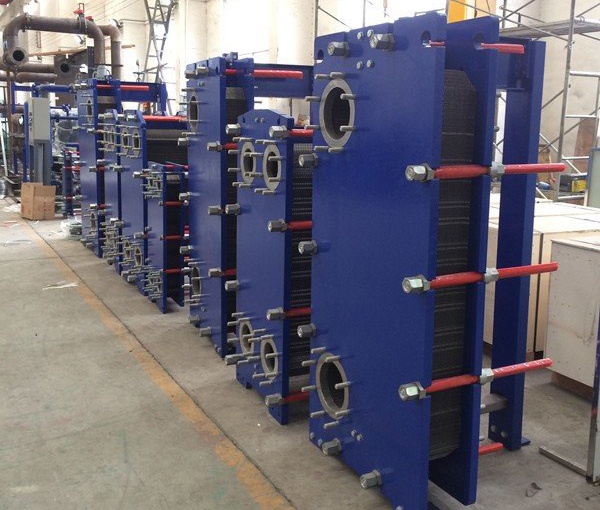
Core Advantages of Plate Heat Exchangers in CCUS
- High Heat Transfer Efficiency
- Significant Energy Savings
- Compact Footprint
- Flexible and Adjustable
- Corrosion Resistance
Summary
CCUS technology is a win-win solution for petroleum refineries, enabling them to achieve three key goals: refining decarbonization, oilfield production enhancement, and permanent geological carbon storage. Plate heat exchangers serve as the core energy-saving equipment in CCUS systems, particularly in amine-based CO₂ capture processes, significantly reducing energy consumption, improving operational efficiency, and enhancing the economic viability of CCUS projects in the petroleum refining industry.
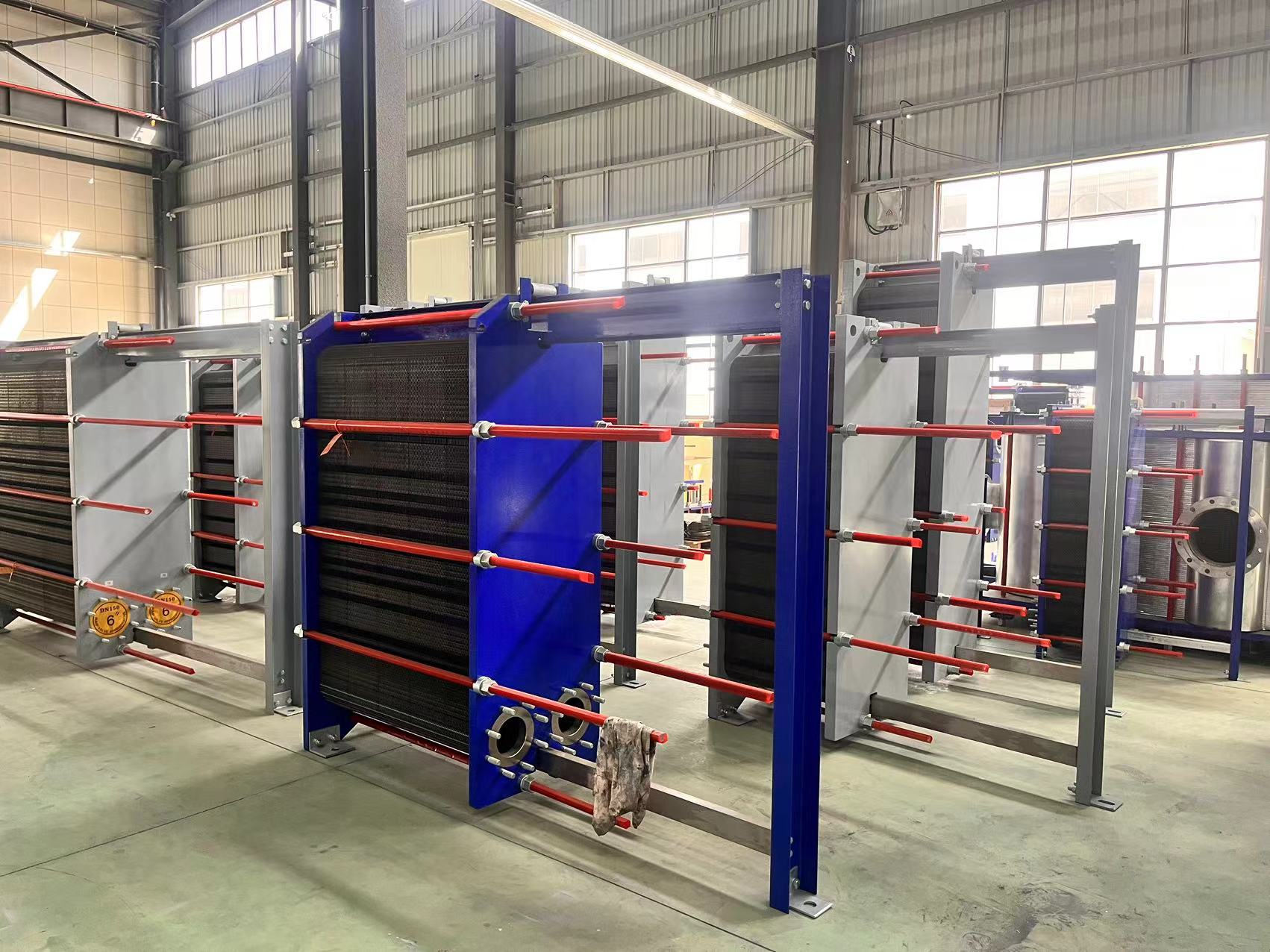
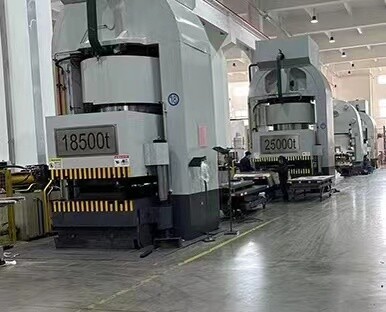
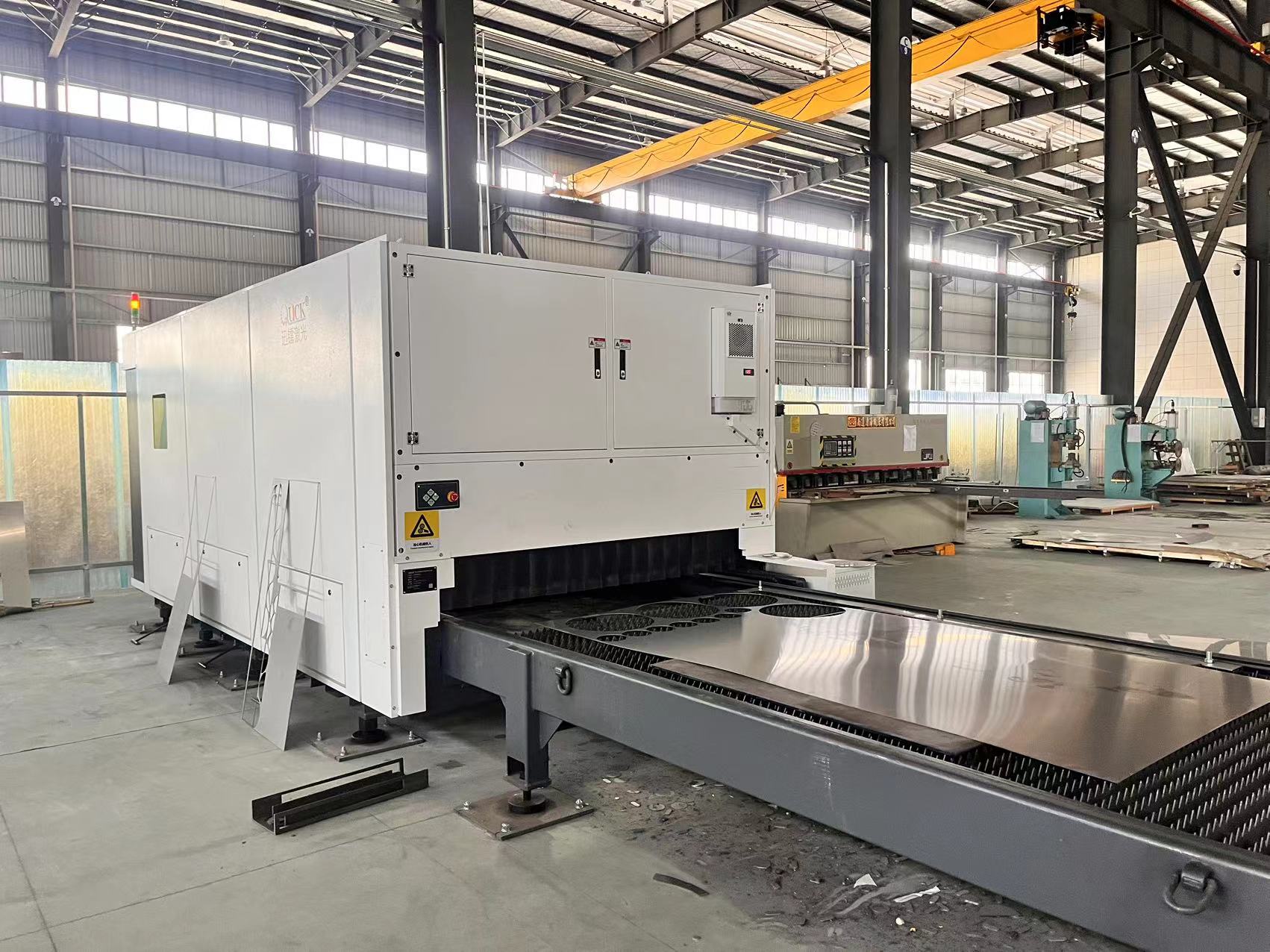
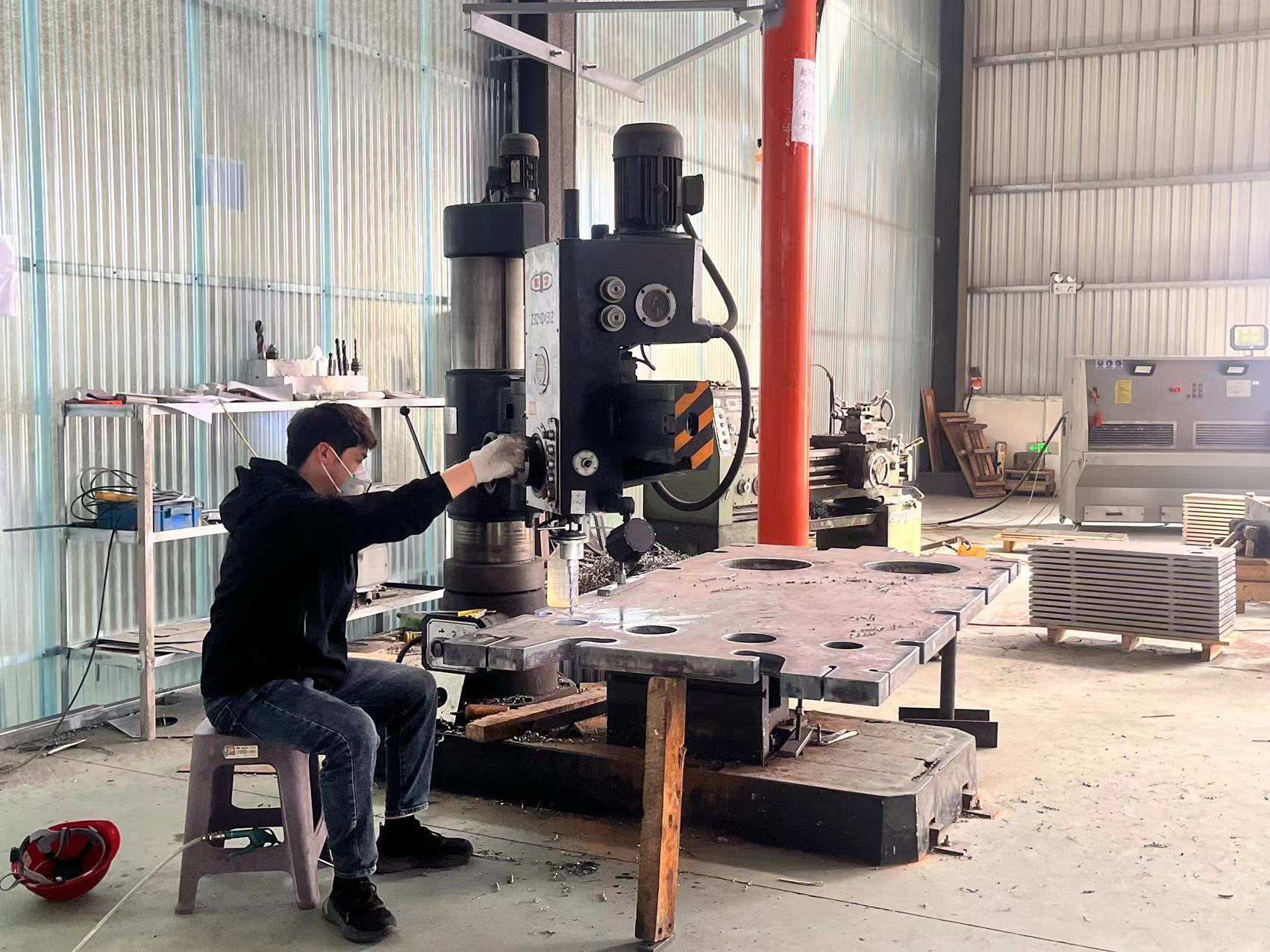
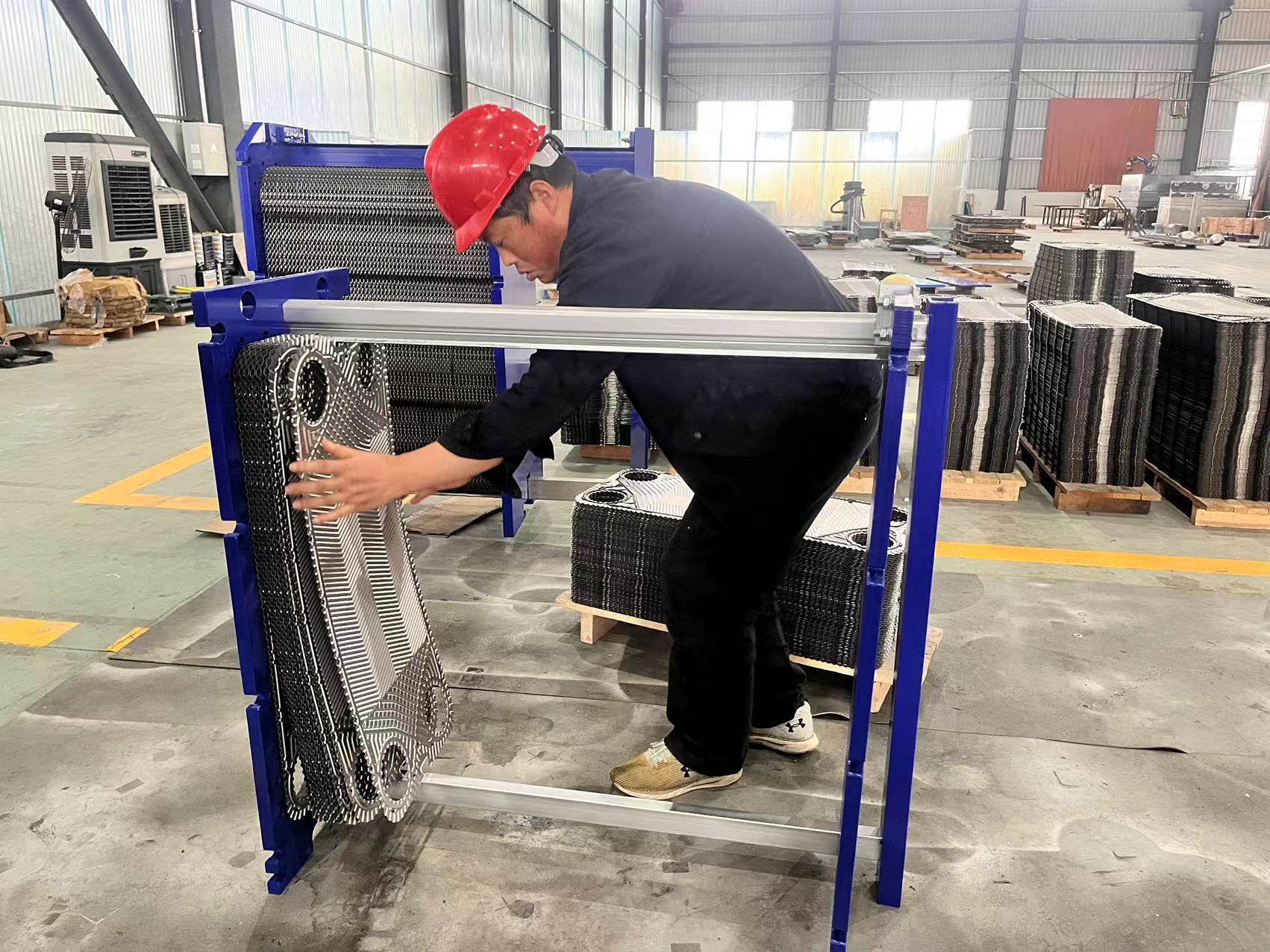
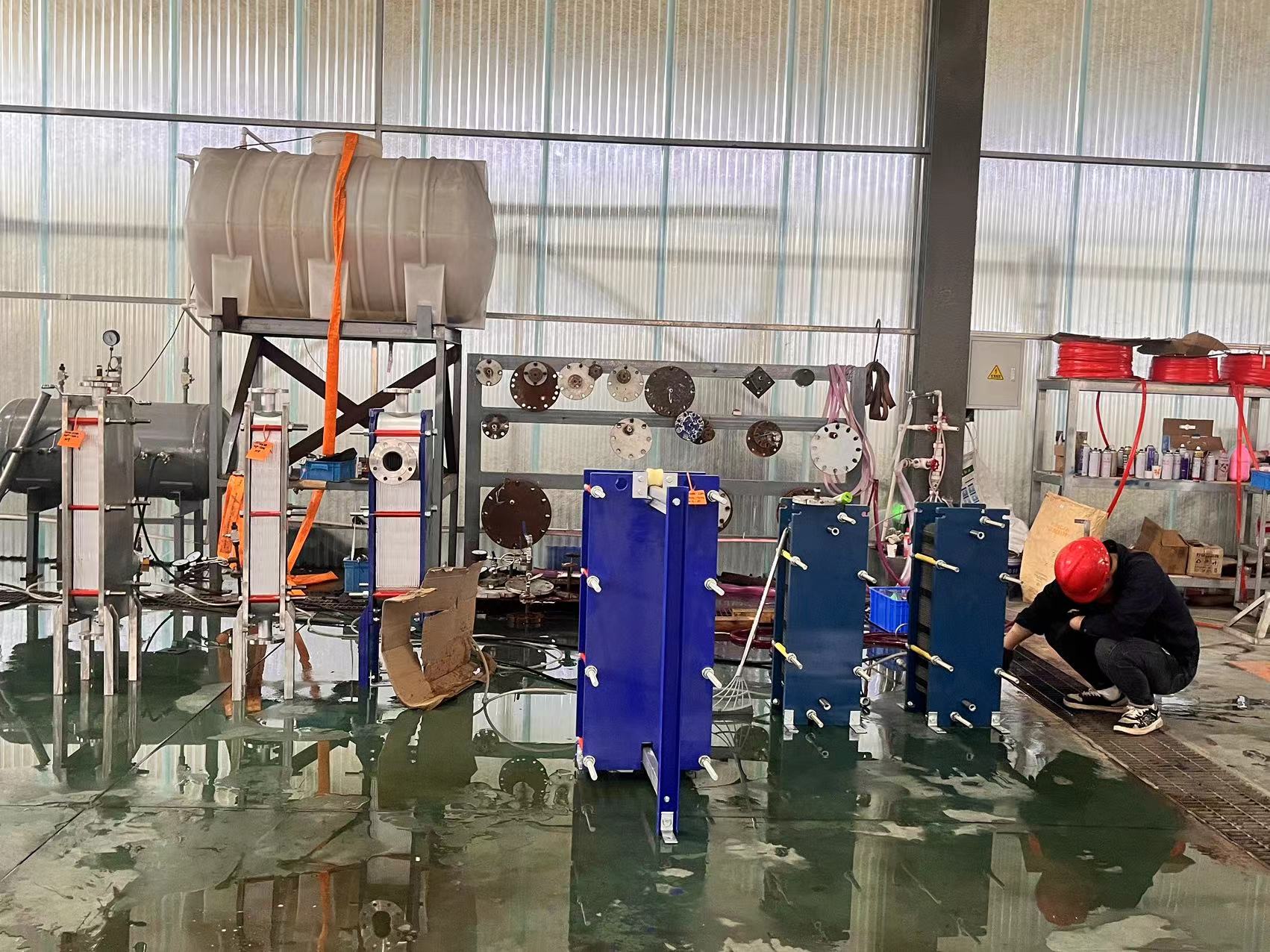
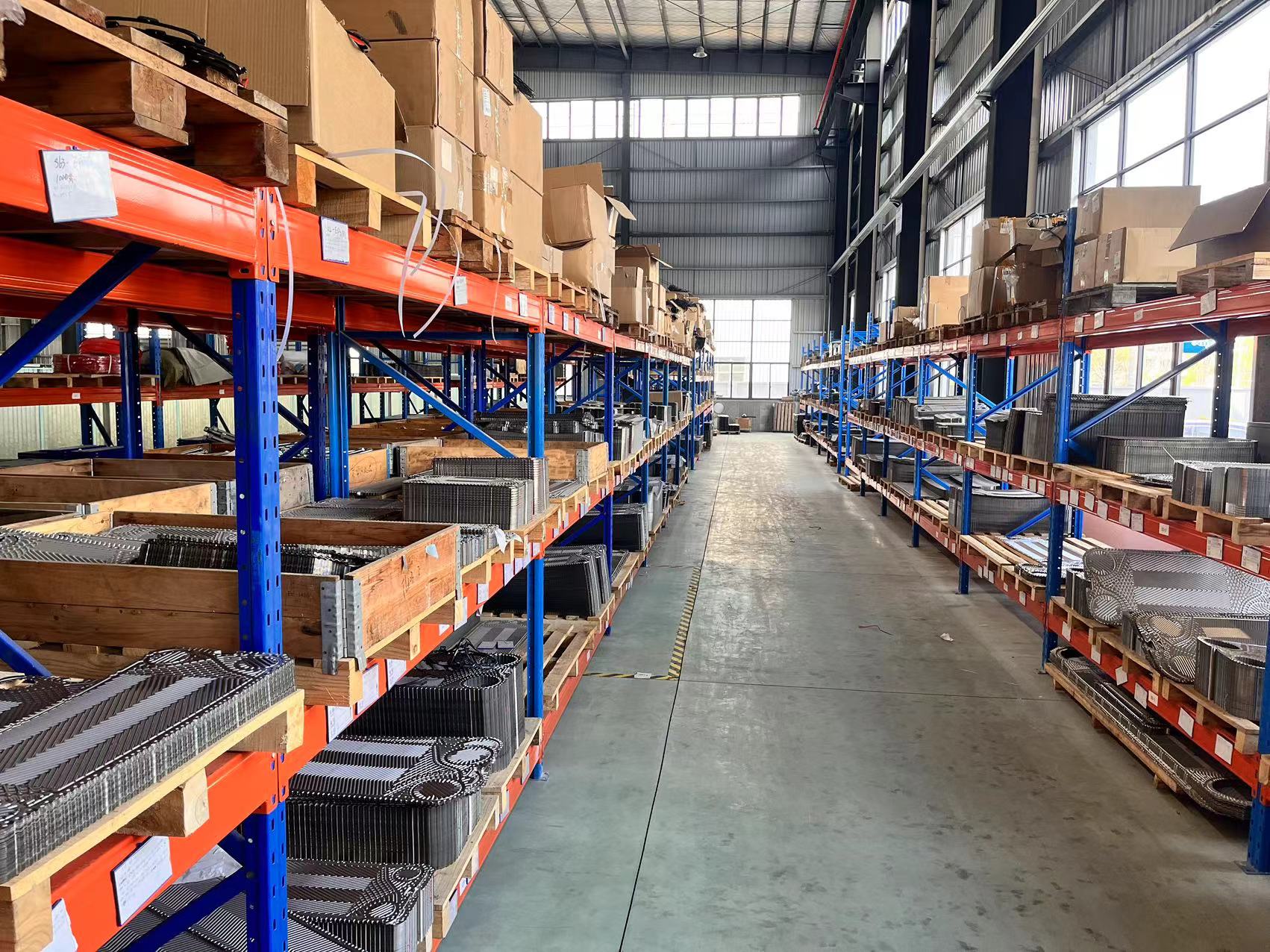
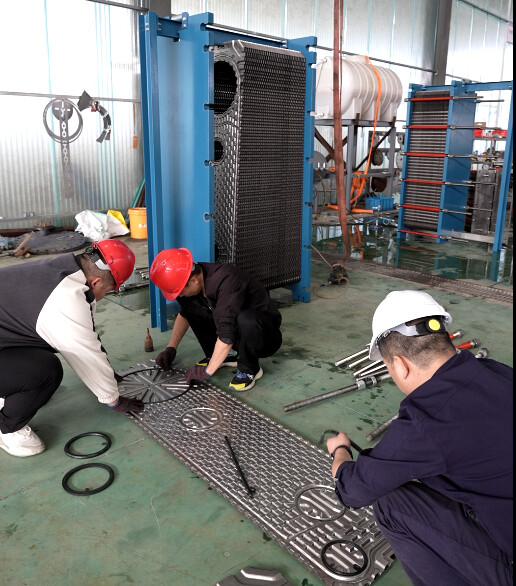
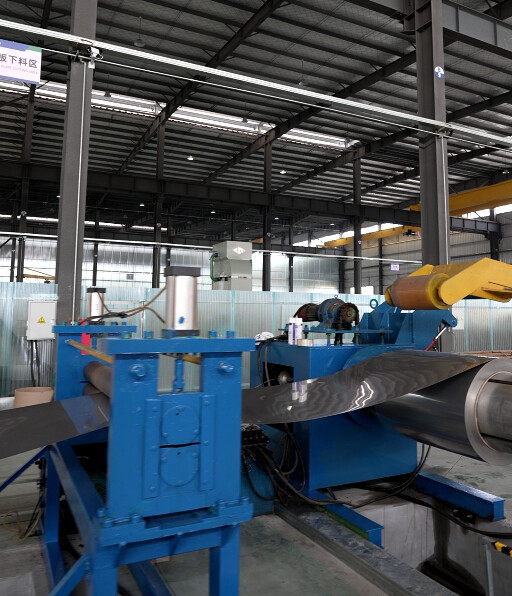
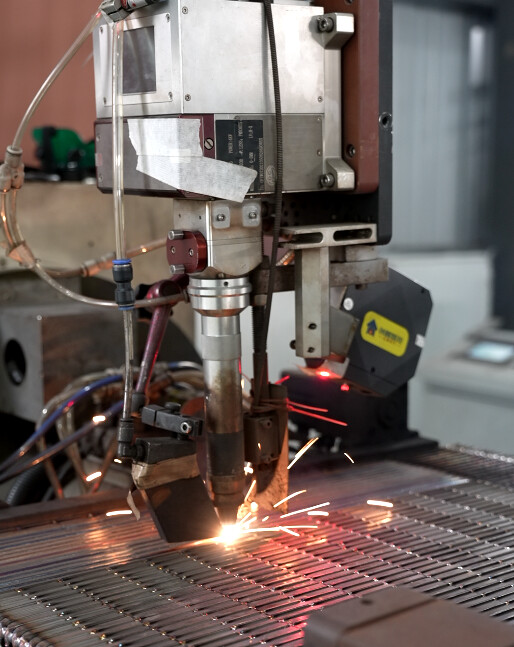
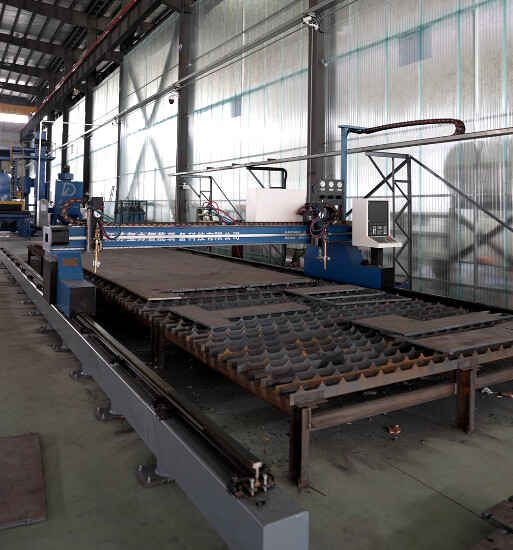
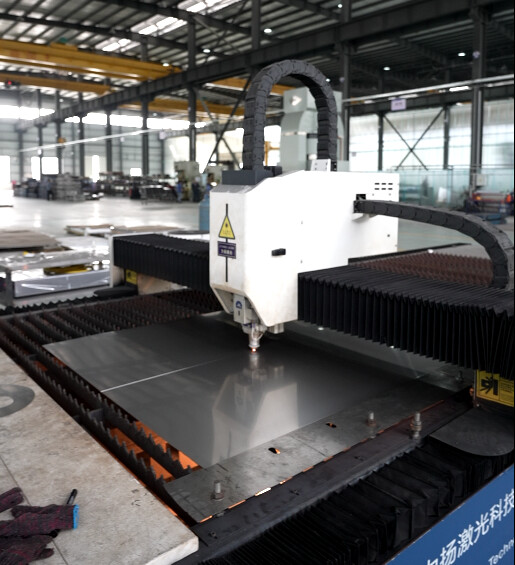
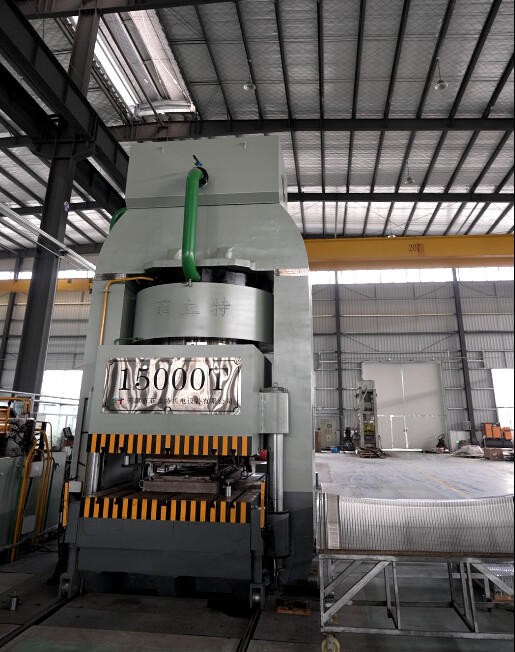
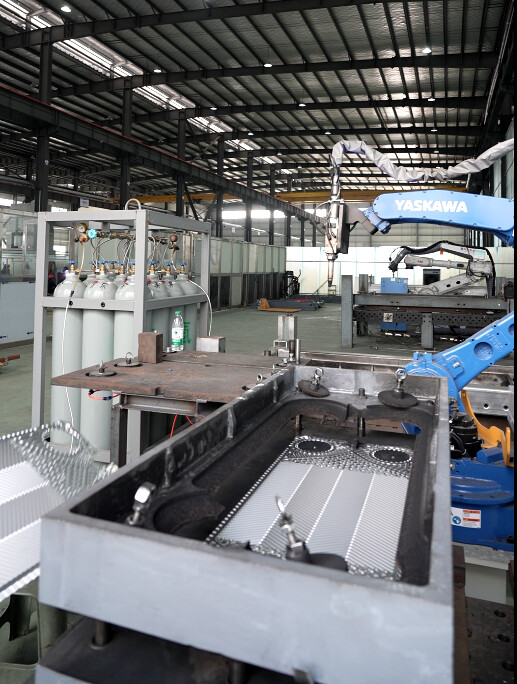
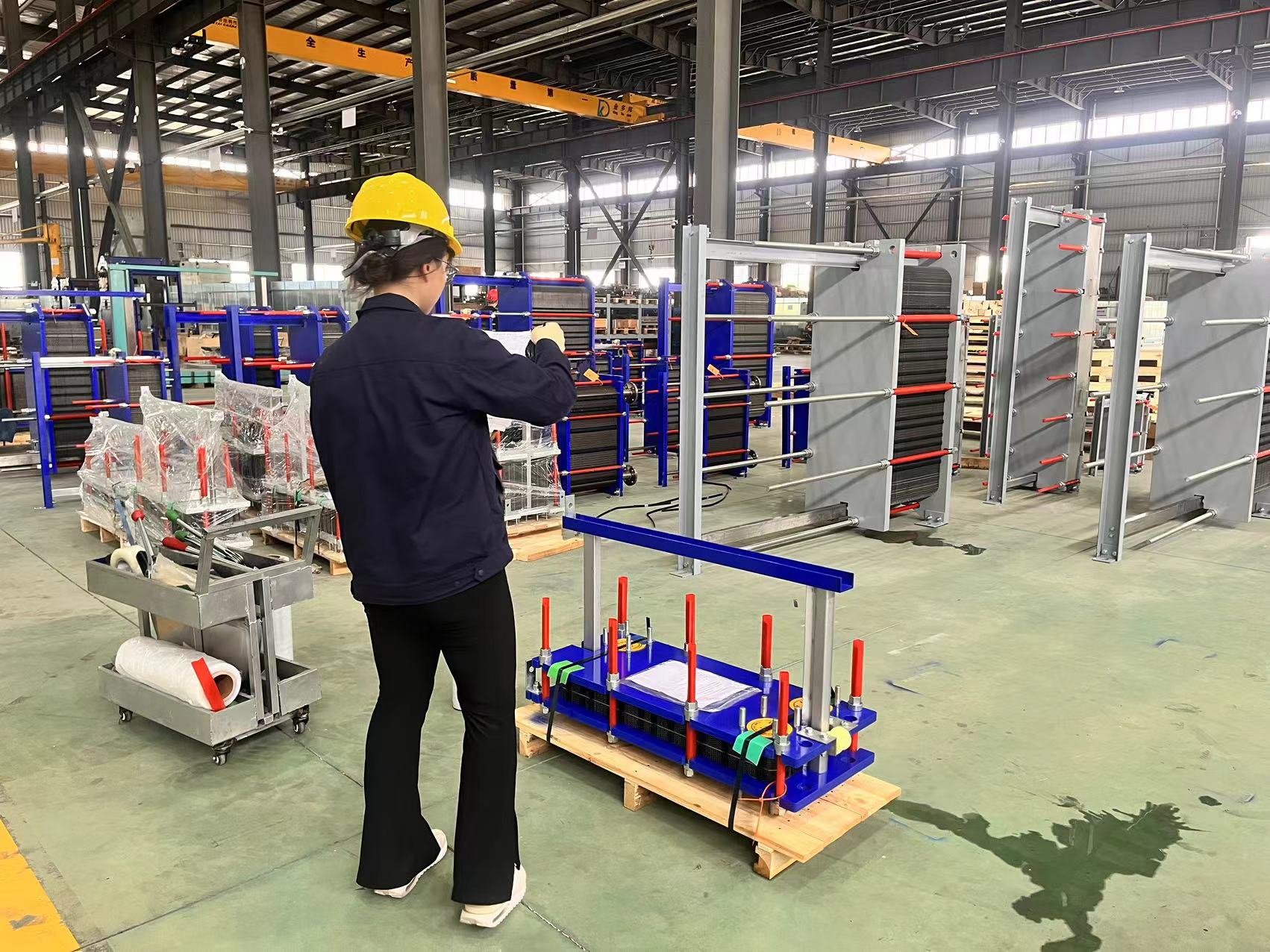
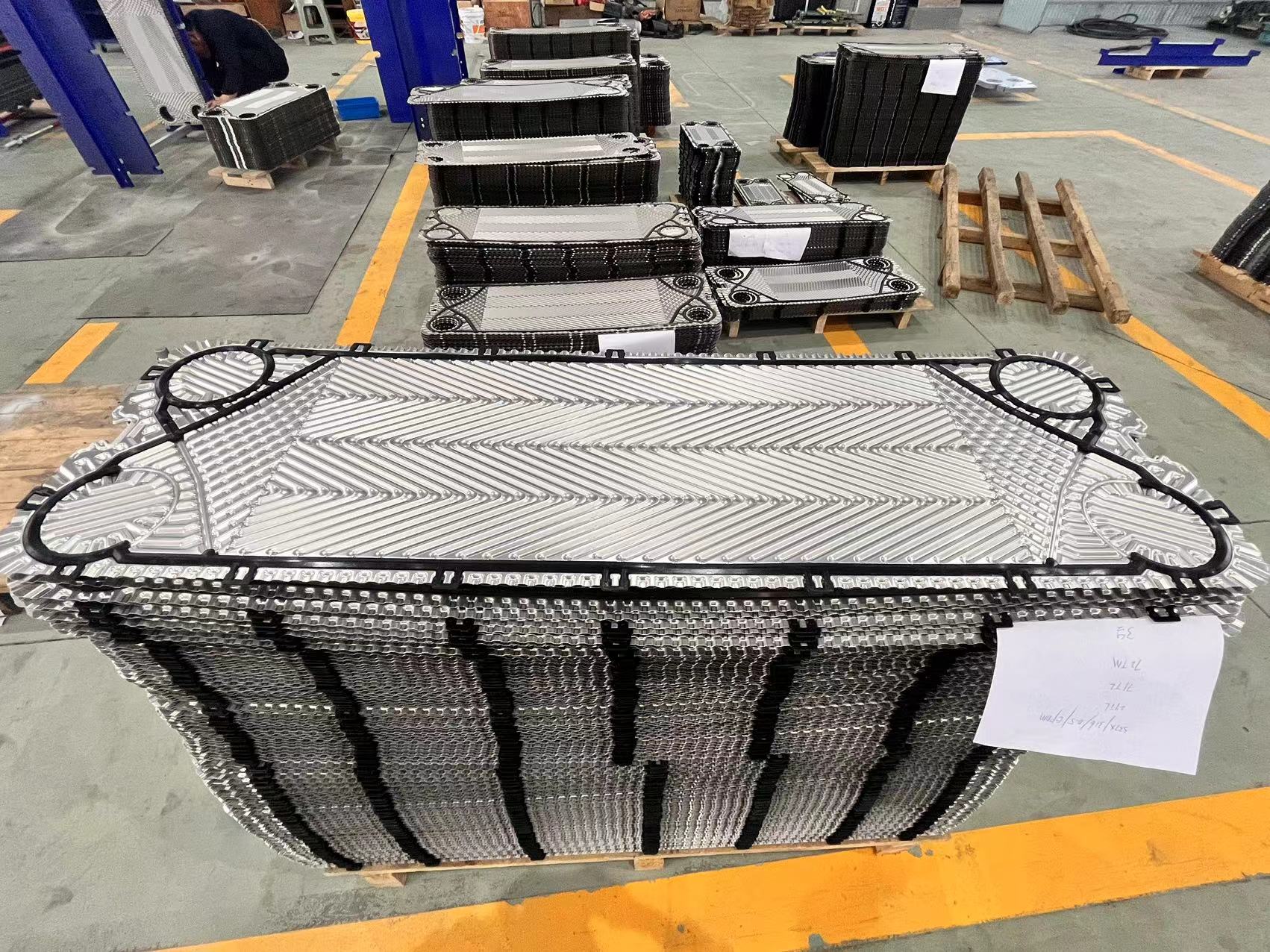
Our Production Plant
Frequently Asked Questions
Answer: We are a factory manufacturing plate heat exchangers in Jiangsu, China. More than 15 years ofproduction experience.
Answer: Sure, Welcome coming to visit our factory! We are located in No.198 Zhongshan Road, Qiaoqi, Xuxiake Town, Jiangyin City, Jiangsu, china.
Answer: It depends on which product you purchased, factory workload, outsourcing period of specialmaterial etc.Our fastest delivery time for Gasketted plate heat exchanger is ex-works 2~3 weeksafter replacement oforder.
Answer: We guarantee our product quality in the process of manufacturing, such as:
Raw material check,e.g.PMl, traceability.
Manufacturing process inspection.
Plate pressing inspection.eq.PT RT.
Welding inspection,eg.WPS,PQR,NDE,dimension.
Assembly inspection.
Final assembly dimensionalinspection.
Final hydraulic test.
Contact us
Whether you have questions about our products, need a quote, or want to discuss a custom order, our team is ready to assist you.
Get Free Quotes
Please enter what you would like to know and we will contact you within 24 hours.
King DuPont, China famous brand of heat transfer and fluid handling supply platform.
Contact




Get Free Quotes
NEED TO CHAT?
We will get back to you within 24 hours of receiving the message.